
Rug Repair Methods for Lasting Results
- Renaissance
- Jun 9
- 5 min read

If you’ve ever owned a fine area rug, you know how much character and warmth it adds to your home. But let’s be honest - rugs on the floor take a beating. Whether it’s a snag from a pet’s claws, heavy foot traffic at an entry, a pulled loop from a misplaced foot, or even the shuffling feet in front of a sofa, problems. At some point, your rug will need repair, and the right methods preserve its longevity and value.
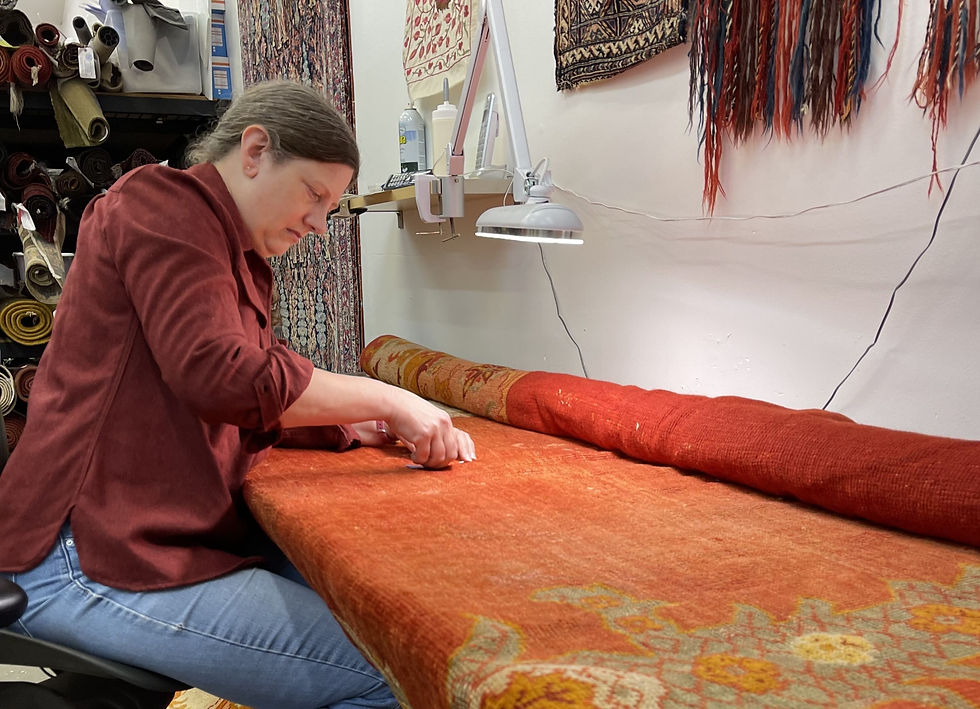
Understanding Rug Repair Methods: What Works Best?
Before diving into the nitty-gritty, it’s important to understand that not all rugs are created equal. The repair method you choose depends on the type of rug you have - A hand-woven wool, silk, Vs a machine-made synthetic fiber rug. Each material reacts differently to repair techniques, so a one-size-fits-all approach won’t cut it.
Here are some common rug repair methods that work wonders:
Reweaving: This is the gold standard for high-quality rugs. It involves carefully reconstructing the damaged area by hand, matching the original weave and colors. It’s time-consuming but yields seamless results.
Patching: For larger holes or worn spots, patching with a piece of matching rug can be effective. It’s less delicate than reweaving but still preserves the rug’s integrity.
Darning: Similar to sewing, darning involves stitching over a damaged area to reinforce it. It’s great for small holes or worn patches.
Binding and Serging: When edges start to fray, binding or serging the edges can prevent further unraveling. This method uses a strong thread to wrap the edges neatly. ---This method can destroy the value and integrity of a hand-woven rug. -
Glue and Adhesives: Sometimes, a quick fix with fabric glue can hold a pulled thread or small tear in place. It’s not a permanent solution, but it can buy you time before a professional repair. -This method can destroy the value and integrity of a hand-woven rug.-
Each method has its place, and sometimes a combination is necessary. The key is to assess the damage carefully and choose the approach that best suits your rug’s material and value.
Machine repair and adhesives are typically not appropriate for handwoven rugs and can destroy their value.


How to Fix a Pulled Loop or Sprout in a Rug?
Ah, the dreaded pulled loop. It’s like your rug’s version of a loose thread on your favorite sweater. It happens for two different reasons when a loop of yarn gets snagged and pulled out of the weave, creating an unsightly bump or hole. But don’t panic - fixing a pulled loop is easier than you might think.
The second and more common are the result of over-spun yarn working its way to the surface, which can be fixed with a pair of scissors and trimming the sprout. Professional rug cleaners use specialized rug shearing machines to trim sprouts.

Here’s a simple step-by-step guide: for loop pulls
Don’t pull the loop further! Resist the urge to tug it back in or cut it off. Pulling can make the damage worse.
Use a crochet hook or a blunt needle. Gently push the loop back through the rug’s backing from the front side. If the loop is too long, you can carefully trim the excess, but only as a last resort.
Secure the loop. If the loop feels loose, use a small dab of fabric glue underneath to hold it in place. Let it dry completely.
Smooth the pile. Use your fingers or a soft brush to blend the repaired area with the surrounding fibers.
If the loop is part of a complex pattern or the rug is very valuable, it might be worth consulting a professional. But for minor pulls, this DIY fix can save the day.
When to Call in the Experts for Rug Repair?
If you're unsure whether your rug is hand-woven or about its value, it's best to contact a professional rug cleaner and restoration expert. Sometimes, despite our best efforts, a rug needs more than a quick fix. If you’re dealing with:
Large holes or tears
Extensive fraying or unraveling edges
Damage to delicate fibers like silk
Stains or burns that have weakened the fabric
Professional rug repair specialists have the tools, skills, and experience to restore your rug without compromising its beauty or value. Plus, they can match colors and patterns with precision that’s hard to achieve at home. In some cases, the rug might not be worth the cost to reair. Even then, sentamental attacment night be the driver for an otherwise
If you’re in the Portland metro area or nearby, I highly recommend checking out Renaissance Rug Cleaning Inc. They’re known for their expert care and attention to detail, making them the go-to for specialized rug care.

Tips to Prevent Rug Damage and Extend Its Life
Prevention is always better than cure, right? Here are some easy ways to keep your rugs looking great and minimize the need for repairs:
Rotate your rugs regularly. This helps distribute wear evenly and prevents certain spots from becoming worn out.
Use rug pads. A good pad underneath reduces friction and protects the rug’s backing.
Keep pets’ nails trimmed. Those claws can snag loops and fibers faster than you think.
Clean spills immediately. The longer a stain sits, the harder it is to remove without damaging the rug.
Avoid direct sunlight. UV rays can fade colors and weaken fibers over time.
Vacuum gently. Use a suction-only vacuum or a brushless attachment to avoid pulling loops.
By following these simple tips, you can save yourself a lot of hassle and keep your rugs in tip-top shape.
Does My Rug Need to be Cleaned Before Repair?
Yes, before any Professional rug cleaner or restorer repairs a rug, a thorough professional cleaning is typically required. It is an essential first step for several important reasons.
Sanitation, Dirt, Spills, and Odors — Years of accumulated dirt, spills, and embedded odors not only compromise the hygiene of the piece but can harbor bacteria, moths, and allergens that make close-up repair work unpleasant and potentially unhealthy for the restorer. A thorough cleaning ensures the rug is a safe and sanitary surface to work on before any restoration begins.
Soils Can Inhibit Repair — Deeply embedded soils and debris lodged within the fibers can physically interfere with the repair process, making it difficult to properly re-weave, re-knot, or reattach damaged areas. Working through built-up grime compromises the integrity of the repair and can result in a weaker, less durable restoration.
Soils Inhibit Color Matching for Yarns — Dirt dramatically distorts the true color of existing yarns, making a rug appear far darker and duller than it actually is. Without a proper cleaning first, it is nearly impossible to accurately match replacement yarn to the original fiber — a color selected against soiled wool could appear glaringly mismatched once the rug is eventually cleaned.
Bringing Your Rug Back to Life: The Joy of Restoration
There’s something truly satisfying about restoring a beloved rug. It’s like giving a piece of your home a second chance to shine. Whether you’re patching a small hole or having a professional reweave a damaged section, the results can be stunning.
Remember, rugs often carry stories - family memories, travels, or just years of cozy evenings. Taking care of them with the right repair methods not only preserves their beauty but also honors those stories.
If you ever find yourself staring at a damaged rug, wondering if it’s worth the effort, get free consutation for a local rug cleaning and rug repair expert


Comments